
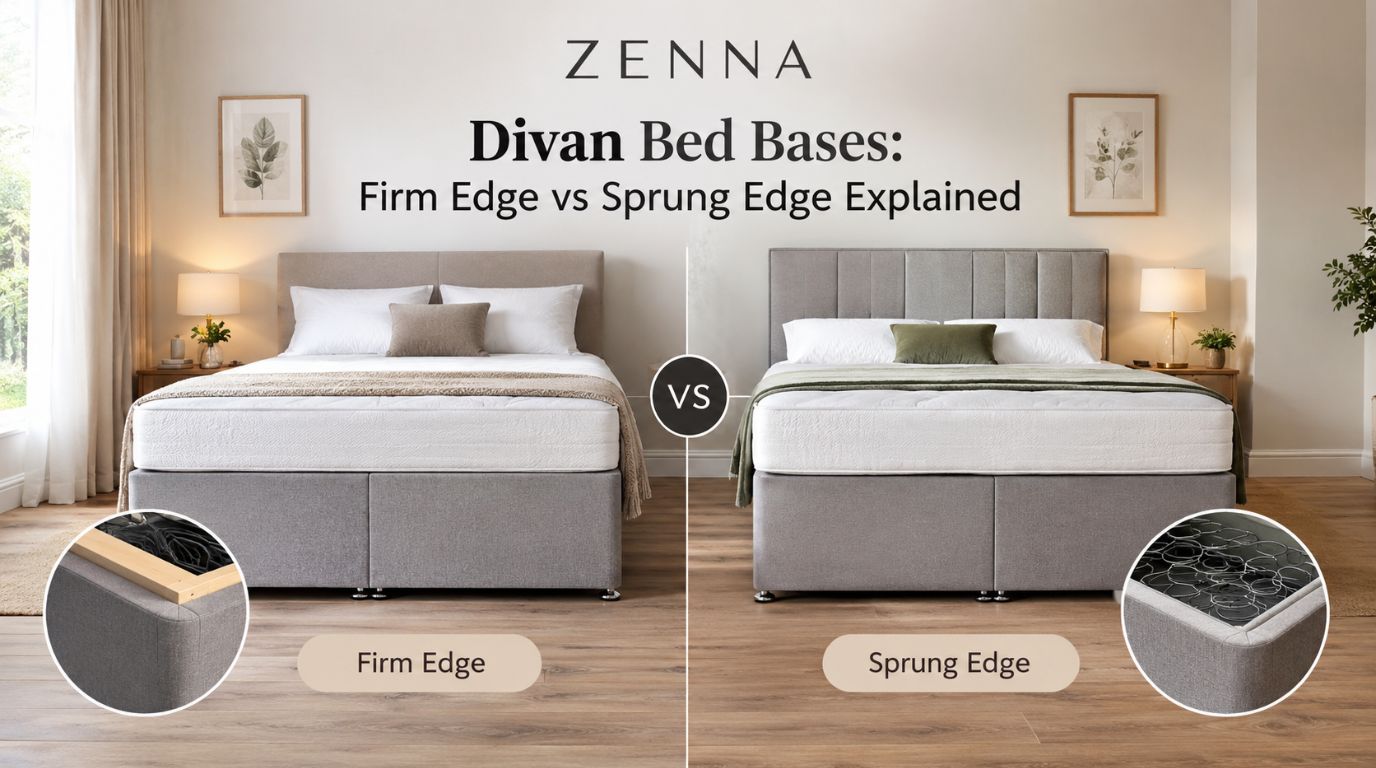
Choosing the right divan bed base directly affects your mattress’s comfort, feel, and lifespan. Knowing the difference between firm edge and sprung edge helps you
Quick Answer Box
Finding the balance between cosy sleep and extra floor space is key. Bunk bed perks double the sleeping room while keeping plenty of floor area totally open. Single bed perks offer individual freedom and make changing bed sheets super easy for everyone. The final pick really comes down to how big your bedroom is and who sleeps there. Enjoy creating a comfortable bedroom setup that everyone will love using every day.
Weighing bunk beds vs single beds helps parents determine which layout suits their home floor plan best.
Analysing room dimensions beforehand ensures your final choice keeps the bedroom spacious and easy to navigate.
Incorporating versatile bedroom pieces helps foster a clutter-free, welcoming atmosphere for shared rooms.
Choosing smart bed configurations creates a structured layout that evolves alongside your growing family.
This quick guide breaks down the best bed choices across different age groups and room dimensions to help you pick the right fit.
| Comparison Factor | Bunk Beds | Single Beds |
|---|---|---|
| Floor Space | Excellent for saving floor space by using vertical space. | Requires more floor area when two separate beds are needed. |
| Shared Rooms | Ideal for siblings sharing a smaller bedroom. | Better suited to larger rooms with enough space for two beds. |
| Privacy | Offers less separation between sleeping spaces. | Gives each child their own independent sleeping area. |
| Bed Making | The upper bunk can be harder to reach when changing bedding. | Easier access makes changing sheets and cleaning simpler. |
| Storage Options | Some designs include drawers, shelves, or built-in storage. | Can be paired with under-bed drawers or separate storage furniture. |
| Long-Term Flexibility | Some models can separate into two individual beds. | Easy to keep using as children grow into teenagers. |
| Best For | Compact shared bedrooms and families prioritising floor space. | Larger shared rooms where independence and flexibility matter most. |
Choosing a bed tailored to age and room size guarantees better sleep, easy movement, and long-term comfort for everyone.
Choosing between bunk beds and single beds impacts your home’s long-term value. Picking the right setup saves money while keeping your room comfortable as family needs change.
Comparing these key points helps you choose the most practical furniture for your home. You secure a smart sleeping arrangement that fits your growing family for years.
Choosing the right brand for a shared room is just as vital as choosing the bed layout itself.
Investing in Zenna guarantees safe, stylish, and durable bed frames made for your family’s needs
Use this simple guide to pick the best bed setup for your shared room. Matching your room layout to these points ensures a safe and happy home. Choose bunk beds if you need to open up floor area in smaller or shared bedrooms. Select a flexible layout that adapts easily as your children get older and require more personal room space
Make room for comfort- find the perfect bed at Zenna.
Bunk beds are better for saving floor space in smaller rooms. However, single beds are better for ease of bed-making, safety, and long-term use as children grow into teenagers.
Yes, bunk beds are safe when built to official safety standards, fitted with sturdy guardrails, and used correctly without rough play on the upper level.
Children should be at least 6 years old before sleeping on the top bunk, as younger children lack the coordination to navigate ladders safely at night.
Yes, bunk beds effectively halve the floor space taken up by beds, freeing up valuable room for wardrobes, study desks, and play areas.
Bunk beds are best for siblings sharing compact bedrooms. Twin single beds are preferable if the room is large enough and the siblings value equal, accessible personal space.
You May Also Like
Choosing the right divan bed base directly affects your mattress’s comfort, feel, and lifespan. Knowing the difference between firm edge and sprung edge helps you
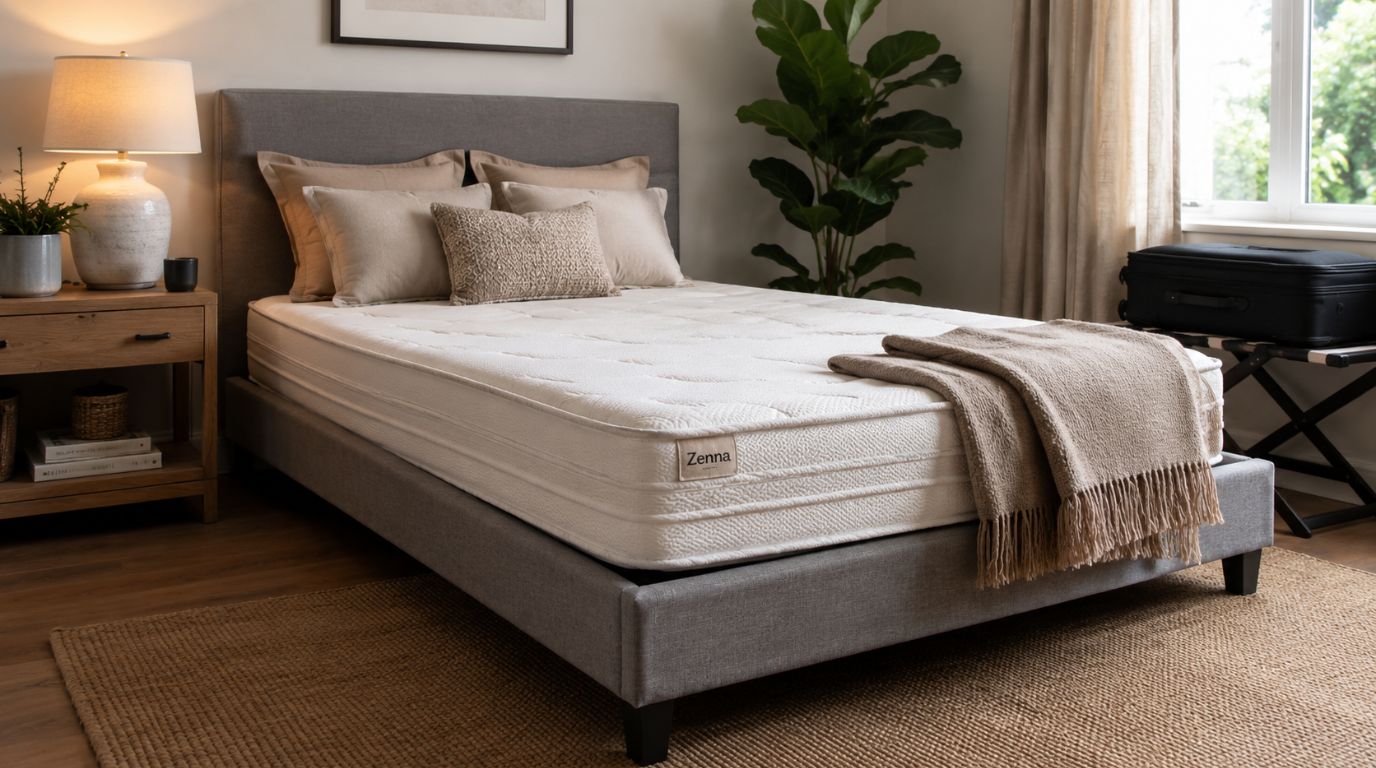
A guest room is not usually used all the time, but the bed still needs to offer a good night’s sleep. Selecting the right setup
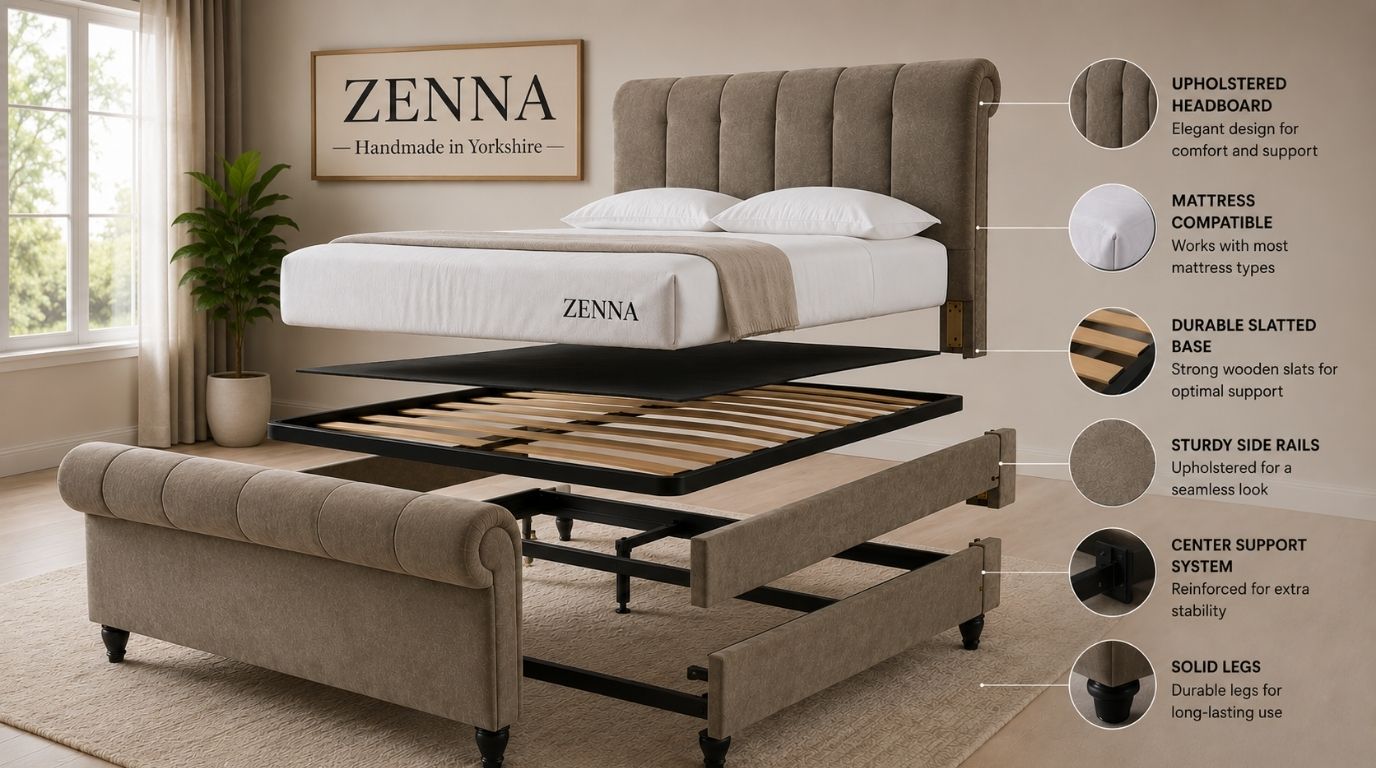
A sleigh bed is easy to recognise by its curved headboard and footboard. A traditional sleigh bed inspires its shape and has been used in
WhatsApp us